
Quick Extender Review: My Painful Experience With A Product That Promised Too Much
I’m writing this Quick Extender review not to criticize blindly but to share what actually happened when I tried using it. Like many others, I was curious about extender devices after hearing how traction-based methods could bring real improvements. I did my research, watched videos, and compared multiple options. Quick Extender Pro appeared to be one of the most talked-about ones. It had decent reviews and looked like a professional-grade product. I thought it was a safer bet compared to cheaper alternatives. What I didn’t expect was that a few weeks of use would leave me with bruises, swelling, and a painful visit to the doctor. It taught me that not everything that looks scientific works safely in real life.
How I Discovered Quick Extender Pro
My journey started out like most others—I wanted to make a change but in a safe and realistic way. I had read about traction devices and how they help with gradual growth through consistent stretching. The idea seemed grounded in medical studies, so I decided to find a reliable brand.
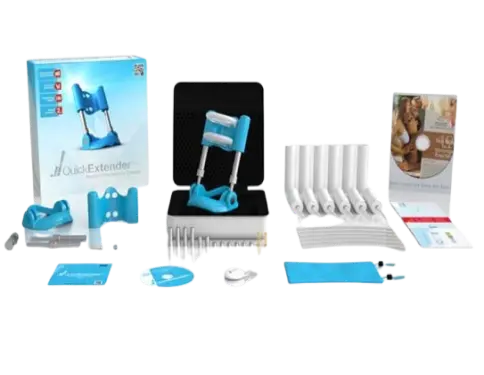
Quick Extender Pro caught my attention because it was heavily advertised as “clinically tested” and “comfortable for long use.” The blue and white design made it look sleek and modern. I read several testimonials that sounded genuine, and most users claimed it worked when used correctly. I convinced myself that this was a good investment.
After comparing models, I went for the deluxe version since it came with extra rods and comfort pads. I thought spending more would guarantee better results. Looking back, I wish I had trusted my hesitation instead of the marketing.
Unboxing The Device
When the box arrived, I was honestly impressed at first. The packaging was clean, the parts were neatly organized, and the device itself looked sturdy. There were rods of different sizes, foam pads, straps, and a small instruction booklet.
But as I examined it closely, something felt off. The build quality didn’t match the hype. The rods were lightweight but not as smooth as I expected. The strap system looked basic, and the foam pads felt thin. Still, I brushed it off thinking maybe simplicity meant functionality.
The manual gave basic instructions on assembly and usage but lacked detailed safety guidance. It mentioned wearing it for several hours daily but didn’t explain what to watch out for in terms of discomfort or circulation issues. That would turn out to be a serious oversight later on.
The First Week Of Use
The first few days were manageable. I started with low tension and short sessions, around an hour per day. There was mild discomfort, which I assumed was normal. I took breaks and made sure everything was clean.
By the end of the week, I felt confident enough to increase the duration. That’s when I noticed that the strap started slipping frequently. It didn’t feel secure, and the pressure would shift unevenly, pressing harder on one side. I had to constantly readjust it, which made the process frustrating.
Even though it wasn’t painful yet, the uneven tension gave me a bad feeling. I thought maybe I just needed to get used to it.
When Discomfort Became a Warning Sign
During the second week, the irritation started. After longer sessions, I noticed red marks around the strap area. I tried padding it with extra fabric to reduce friction, but it didn’t help much. The design seemed to concentrate pressure in one spot, which caused soreness.
Instead of stopping, I foolishly decided to “push through,” assuming my body would adapt. That was my biggest mistake. The next few days, I increased the tension slightly and wore it for almost three hours. Halfway through one session, I felt a stinging sensation that quickly turned into sharp pain. I removed the device immediately and saw visible bruising near the glans.
I panicked, applied ice, and hoped it would fade. It didn’t. The next morning, the area was swollen and tender. Even light touch caused pain.
The Medical Visit
After two days of persistent swelling, I visited a local clinic. The doctor examined me and asked about the device. When I explained, he sighed and said he had treated similar injuries before. He explained that traction devices can cause micro-tears and blood vessel damage if the tension is uneven or if circulation gets restricted for too long.
He diagnosed me with mild tissue inflammation and internal bruising. Fortunately, it wasn’t severe, but he warned me that continued use could lead to nerve irritation or worse. He prescribed an anti-inflammatory cream and advised total rest for a few weeks.
I was embarrassed and frustrated. What I thought would be a quiet, personal self-improvement project had turned into a painful medical problem.
What Went Wrong
Looking back, several issues stood out clearly. The strap design was poorly thought out. Instead of evenly distributing pressure, it created a tight, focused grip that dug into the skin. The rods also didn’t lock firmly in place, which meant tension would shift during wear. That inconsistency caused unstable stretching, which likely led to my injury.
The comfort pads were another weak point. They flattened quickly, losing any cushioning effect. This meant direct pressure on sensitive skin, which is a recipe for trouble.
Most importantly, the instructions didn’t emphasize safety or proper tension adjustment. A beginner wouldn’t know how much pressure is too much, and that’s dangerous when dealing with something this sensitive.
The Recovery Process
The next few weeks were all about recovery. The swelling took about ten days to go down completely. I followed the doctor’s advice and avoided any physical strain or sexual activity during that time. I used the cream regularly and applied warm compresses after a few days to improve circulation.
Thankfully, there was no permanent damage, but it took almost a month before everything felt normal again. Even after healing, there was a lingering sensitivity that reminded me to never take such risks again.
The experience left me cautious and disappointed. Not just with the product but with myself for trusting marketing over real medical advice.
My Experience Compared To Expectations
When I bought Quick Extender Pro, I expected a device that was precise, comfortable, and safe. What I got was inconsistent pressure, discomfort, and injury. The promises of “medical-grade materials” and “dual support” felt hollow after seeing how unstable the setup actually was.
The lack of proper guidance made things worse. Even experienced users online had mixed opinions, with some mentioning the same issues I faced—slipping straps, uneven tension, and poor ergonomics.
It’s frustrating because I genuinely wanted to commit to a long-term process, but the device made that impossible. Safety should come first, especially for something used on such a sensitive area, and Quick Extender simply didn’t deliver that.
What I Learned From The Experience
This experience taught me a few important lessons:
- Comfort is not optional—it’s essential.
- Never increase tension too quickly, no matter what the instructions say.
- A device that looks professional doesn’t automatically mean it’s well-designed.
- Always research real user experiences beyond promotional claims.
- If there’s any pain, stop immediately. It’s not a sign of progress—it’s a warning.
Had I known this earlier, I could have avoided weeks of pain and anxiety.
Would I Recommend It
After my experience, I can’t recommend Quick Extender Pro in good conscience. It might work for some people, but the design flaws make it risky, especially for beginners. The lack of stability in the tension system and poor strap comfort create more problems than they solve.
There are better, safer alternatives out there that focus on real ergonomics and gradual traction. For me, the Quick Extender became a lesson in what not to use and how to listen to my body before trusting any brand.
Final Thoughts
This Quick Extender review is not written out of anger but as an honest warning. The product might look professional and well-reviewed, but my experience was painful, frustrating, and costly—both physically and emotionally.
It’s not worth the risk. The human body is sensitive and deserves better care than what this device offers. If you’re thinking of trying any extender, prioritize safety, comfort, and verified medical support over marketing language.
The Quick Extender Pro promised controlled traction and lasting results. What I got was bruising, medical bills, and a hard lesson about patience and caution. Sometimes, learning the truth hurts—literally.